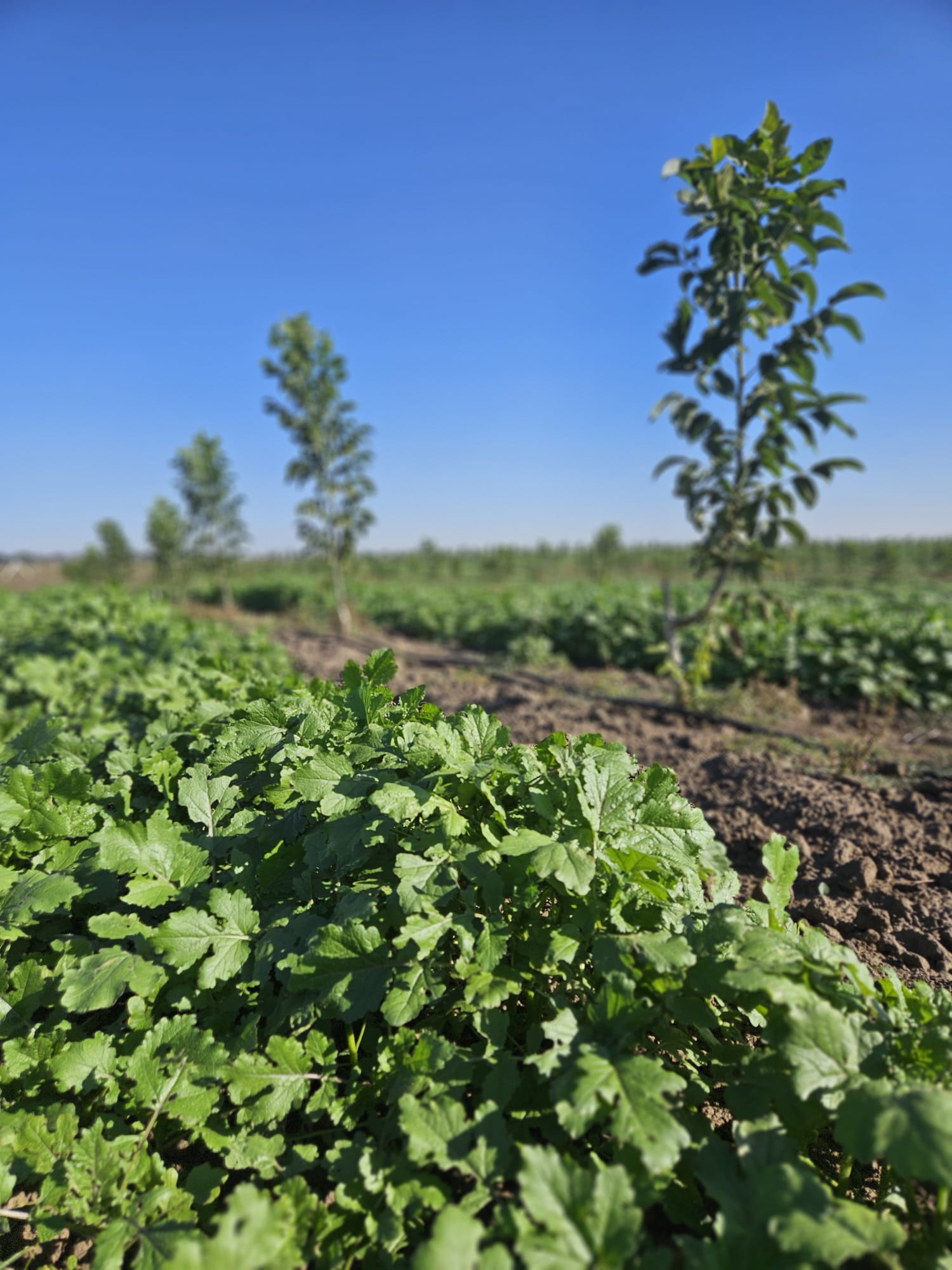
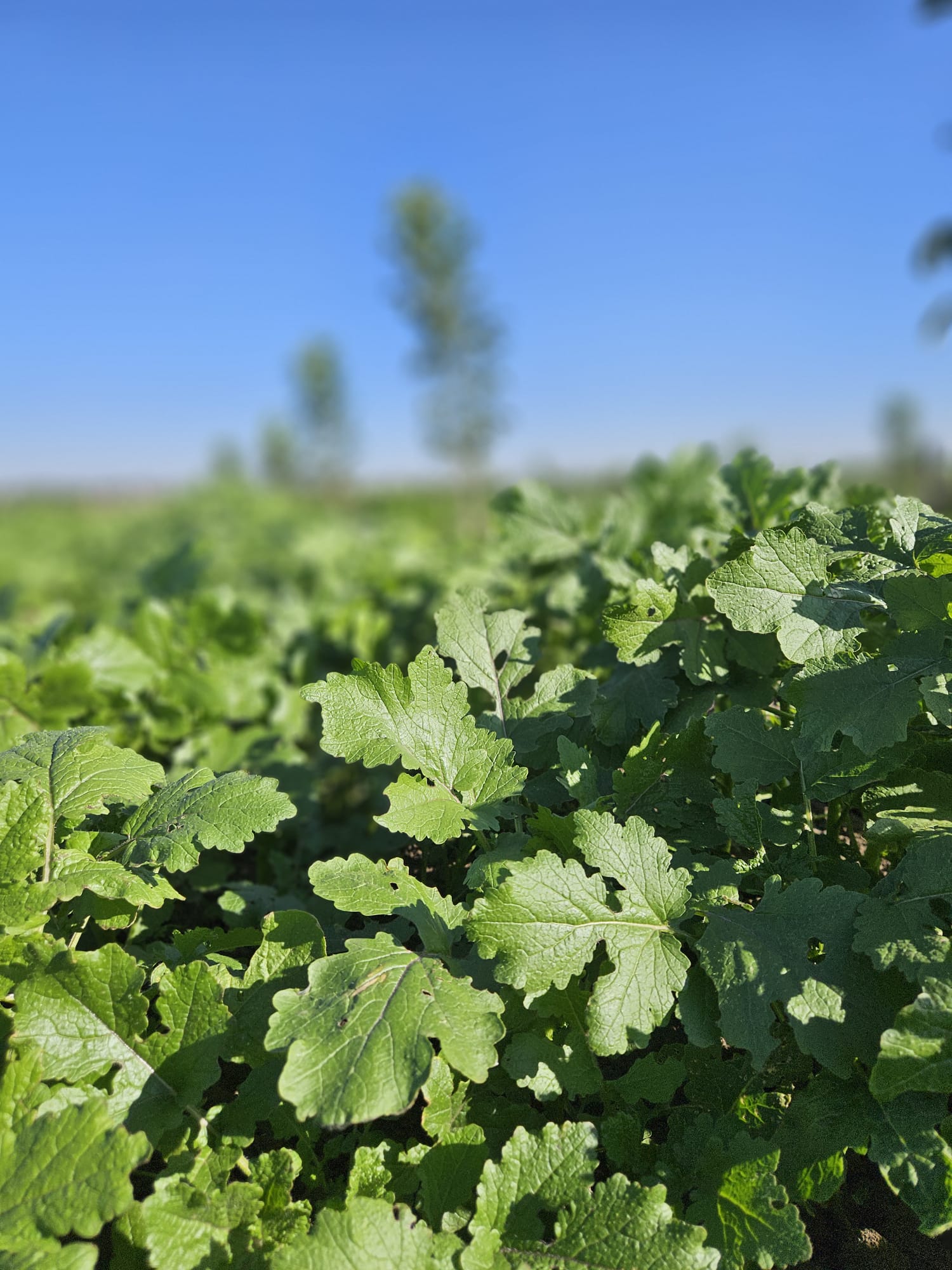
🌿Mustard & Walnuts: When a Spice Meets the Soil
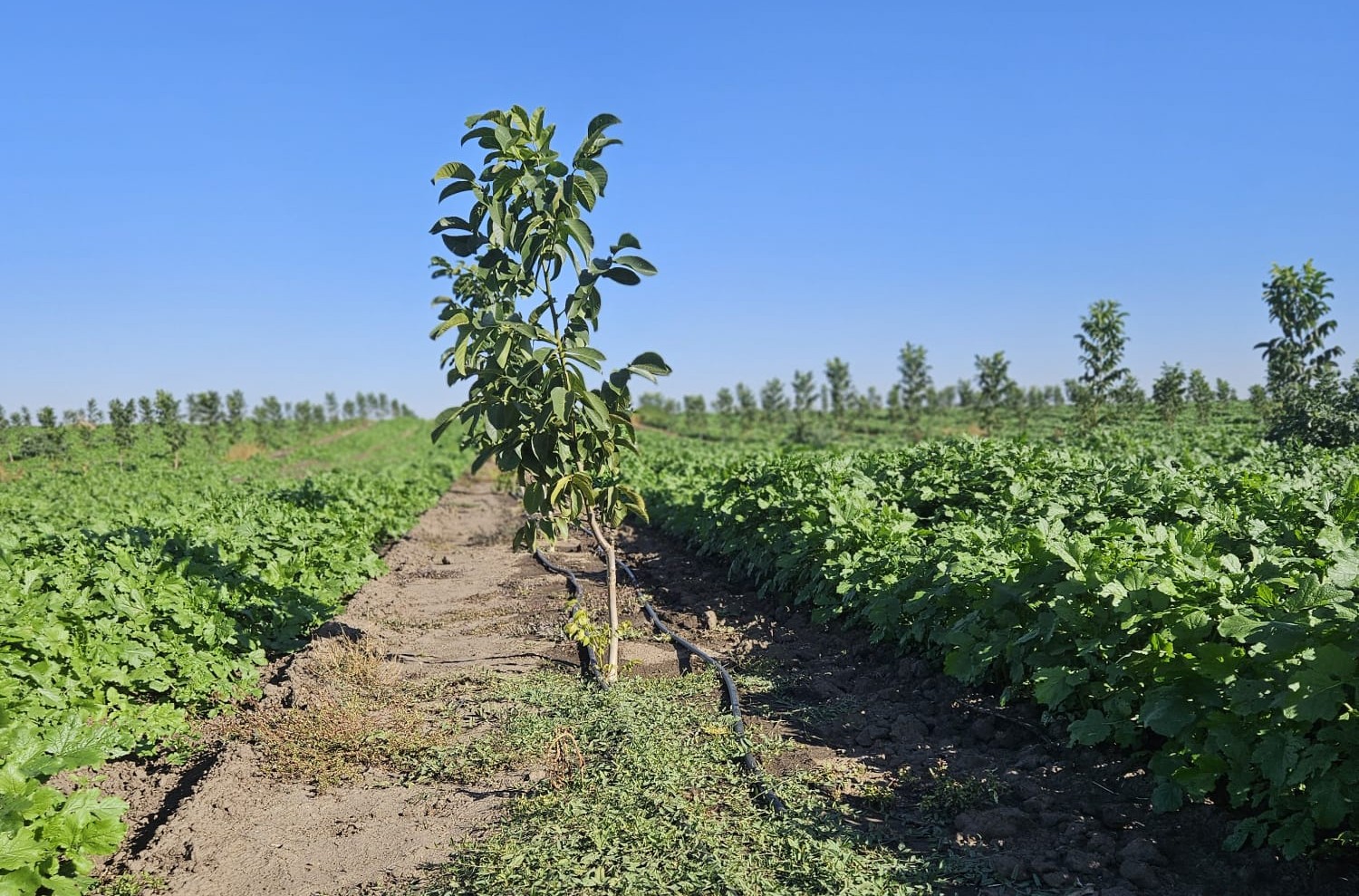
The walnut season may be wrapping up, but the fields are far from done.
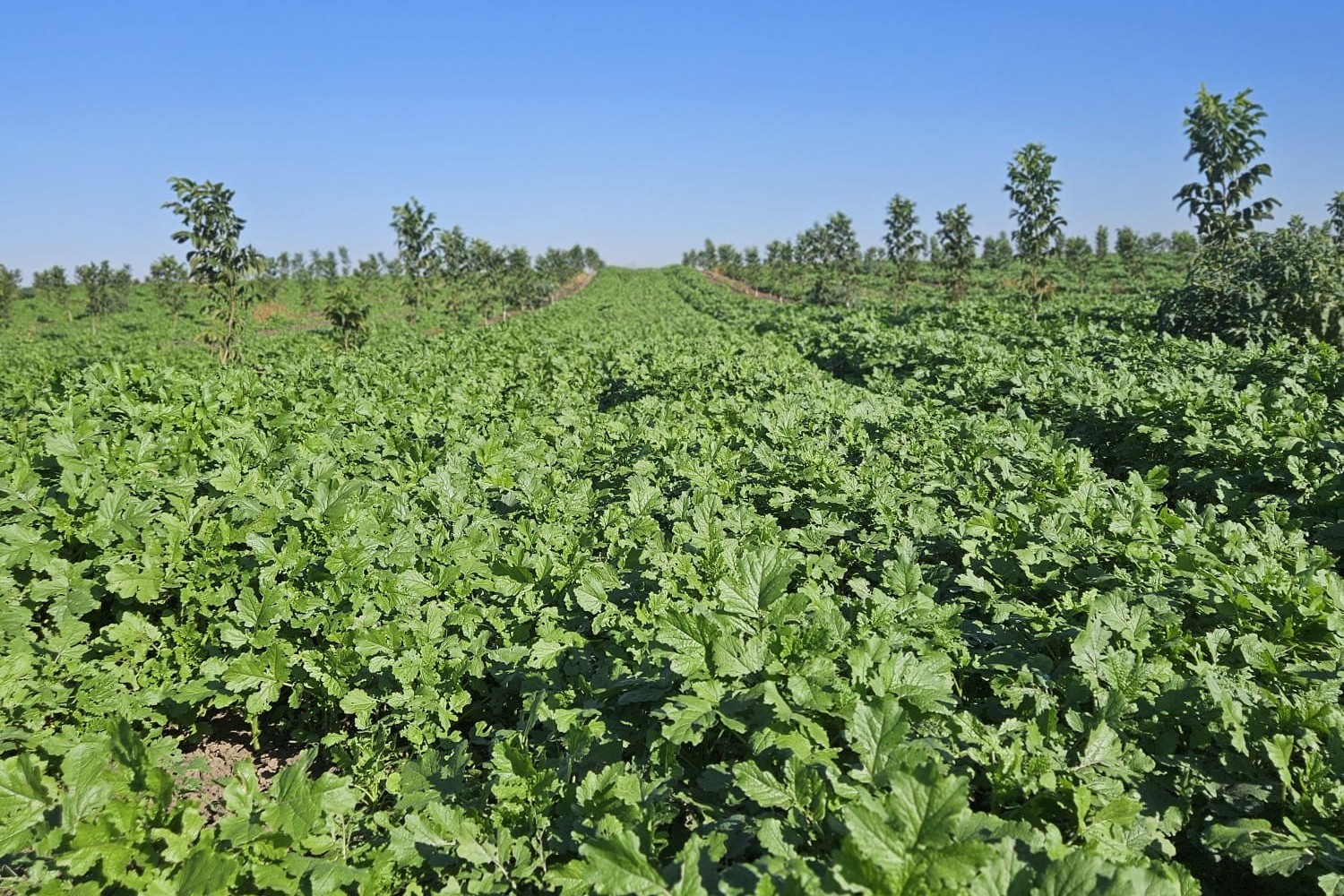
As the last tractors roll out and the autumn air settles in, a new guest quietly takes over our plantations — white mustard.
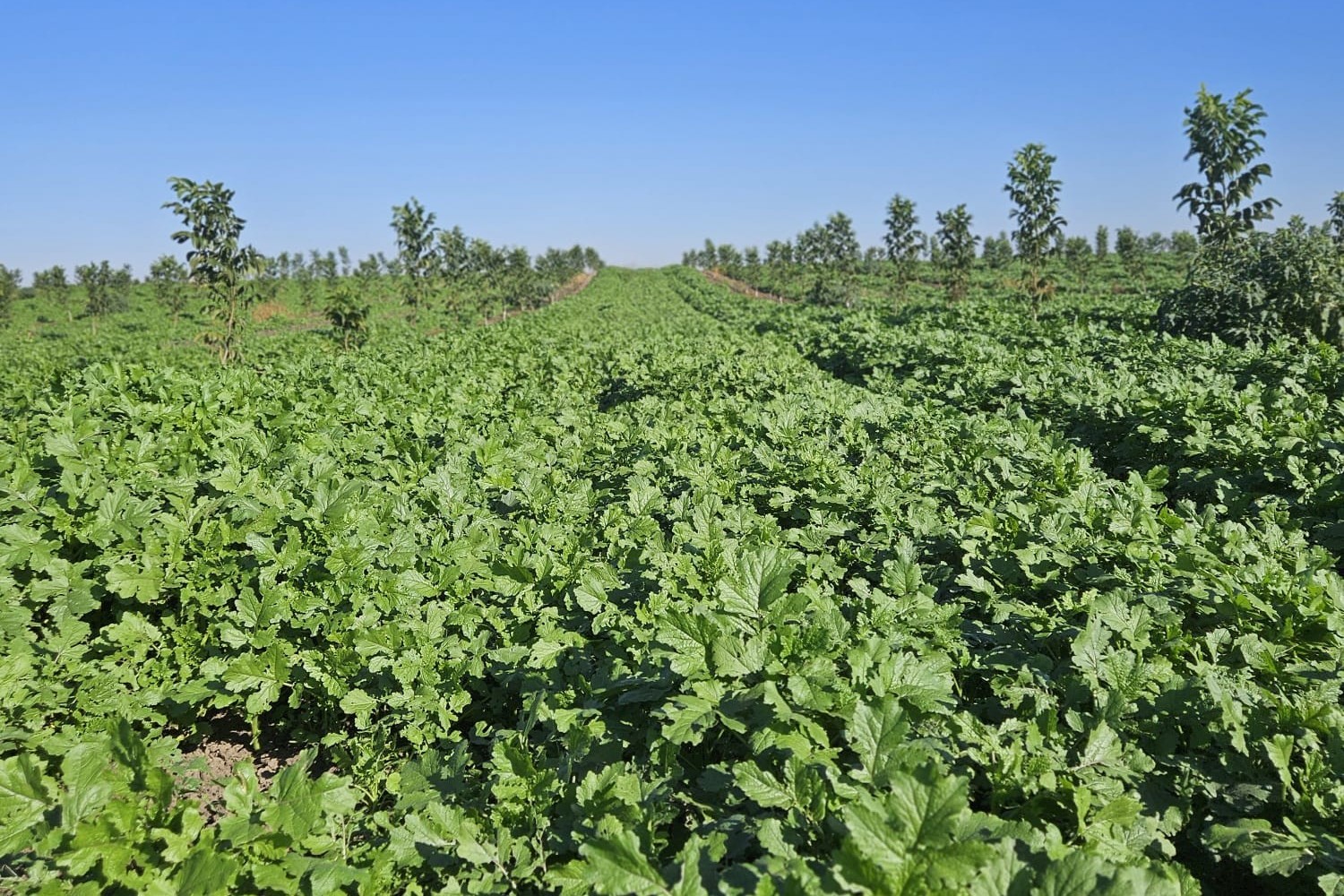
Yes, that same little plant that’s responsible for the tangy kick in your favorite mustard sauce.
🌼 Meet White Mustard — The Unsung Hero
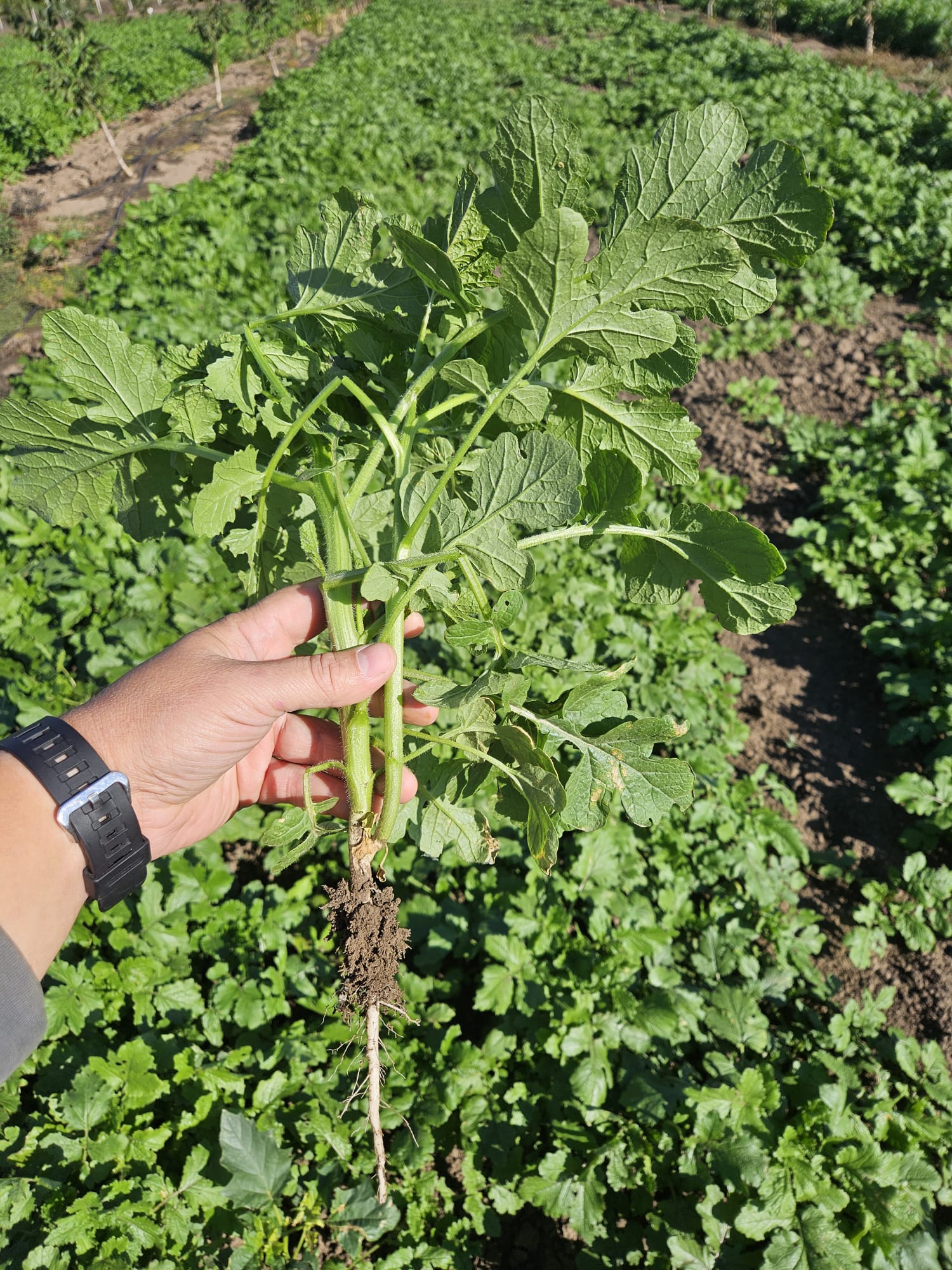
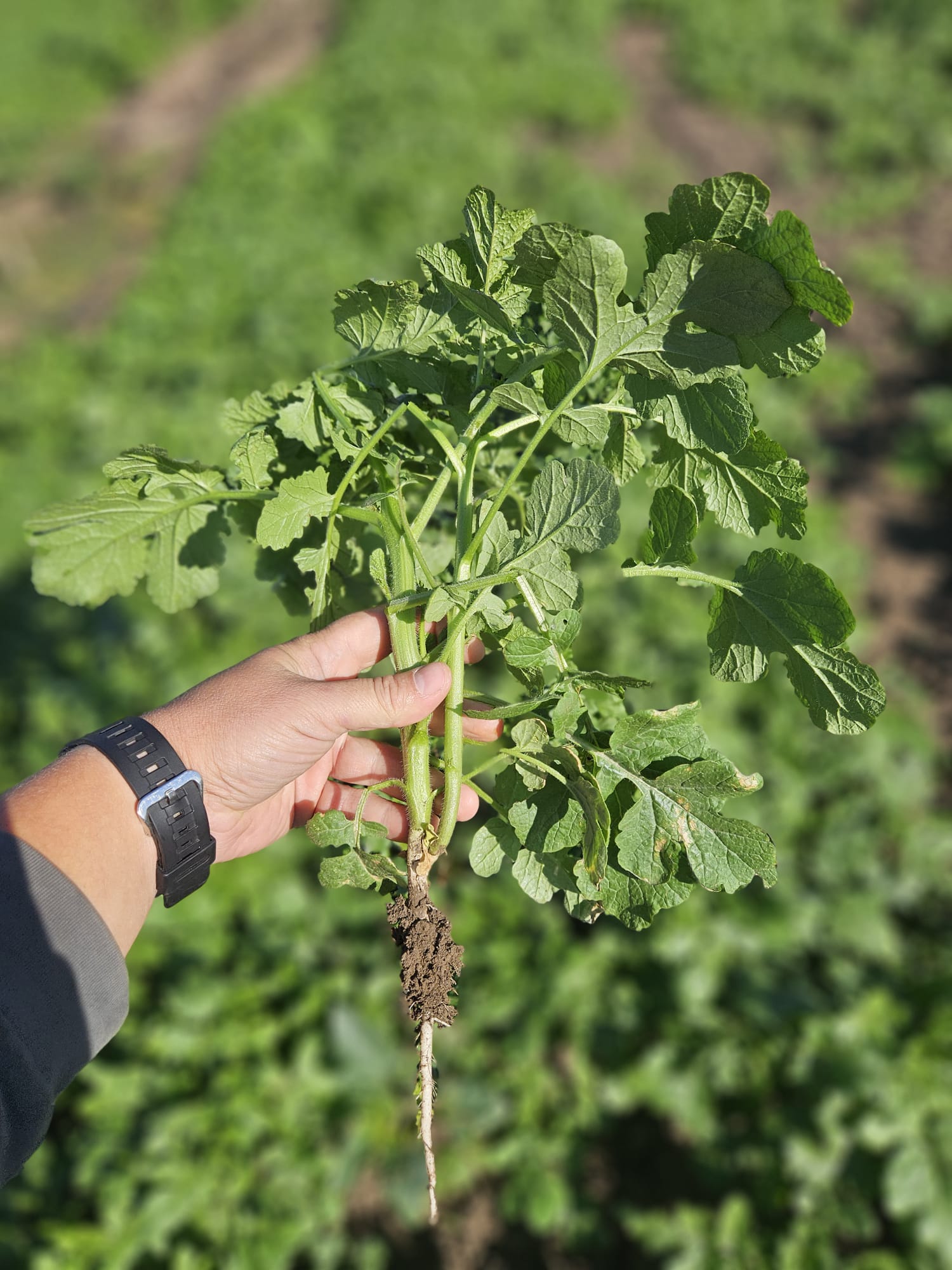
White mustard (Sinapis alba) belongs to the brassica family, cousins with cabbage and radishes. While it doesn’t look like much at first glance, its pale-yellow seeds are culinary gold.
Crushed and mixed with a bit of water, vinegar, or even beer, they release their signature flavor — transforming from simple seeds into the world-famous mustard paste.
It’s a humble plant with a spicy personality.
🌱 Why It’s on Our Plantations
No, we’re not starting our own mustard brand (at least not yet 😄). We plant white mustard after the walnut season ends because it’s nature’s way of healing and preparing the soil. Think of it as a seasonal spa treatment for the land.
Here’s what it does:
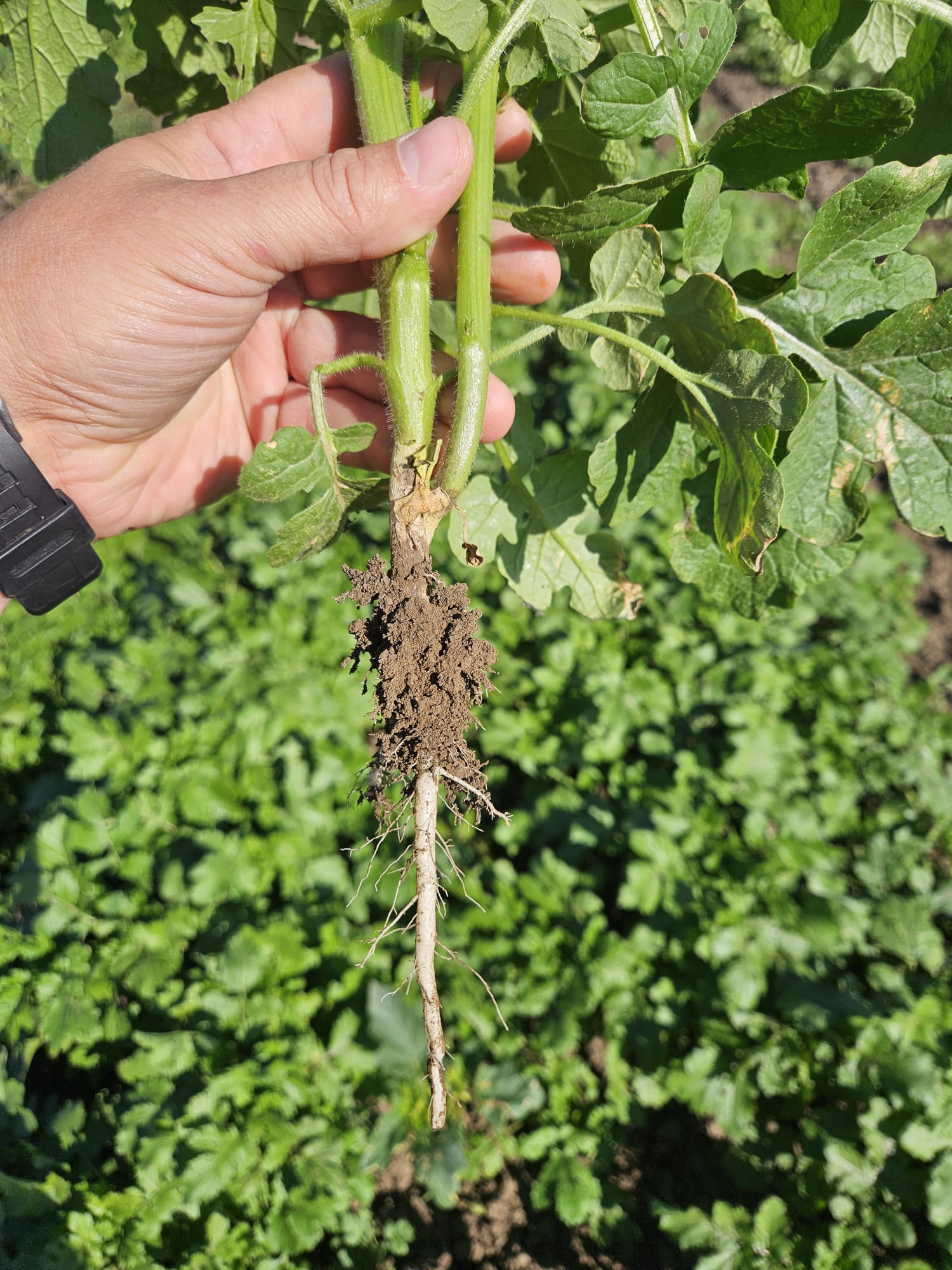
- 🌿 Loosens and refreshes the soil with its deep roots.
- 🌾 Keeps nutrients in place and protects against erosion through the winter.
- 🦠 Naturally fights off unwanted pests and soil diseases — like a built-in defense system.
- 🌸 Enriches the soil with organic matter and nitrogen, setting the stage for the next walnut season.
🥜 Mustard & Walnuts — A Smart Duo
While the walnut trees take their well-deserved rest, mustard is busy working underground — restoring balance, enriching the land, and making sure everything is ready for a strong comeback in spring.
📅 So even though the harvest is behind us, life in the fields keeps going. And thanks to mustard, next season starts with healthier, richer soil — and a dash of spice.